
Habits vs. Routines vs. Rituals: Understanding the Difference
Three ways we shape our behavior — and why the distinction matters
Habits, Routines, and Rituals: Knowing the Difference Changes Everything
Three ways we shape our behavior — and why the distinction matters more than you'd think
We talk about habits, routines, and rituals as if they're the same thing. They're not — and once you can tell them apart, you start to notice your own behavior, which it is you're doing, and how to change when needed, with much more clearly.
Let's take them one at a time.
Habits: behavior on autopilot
A habit is an automation of human behavior — something we do without much thought or effort. Habits can be funny, like flipping your pillow to the cold side before falling asleep or pretty standard, like brushing your teeth. They can be helpful, like turning off the lights when you leave a room. And they can be harmful, like smoking or backing out of a driveway too fast.
The defining feature is that they run on their own. Once a habit is set, it costs almost no thought or energy — which is exactly what makes habits so powerful, for better or worse.
Think of a habit like a drizzle of rain falling into a pond. One drizzle does little. But if it keeps falling, over time the pond becomes a lake. Habits accumulate quietly, and their impact reaches further than we realize — shaping us, the people and animals around us, our communities, even the environment.
Routines: behavior with intention
A routine takes more thought and effort than a habit, because a routine is something you're actively building. It's behavior you want to repeat, but haven't yet made automatic.
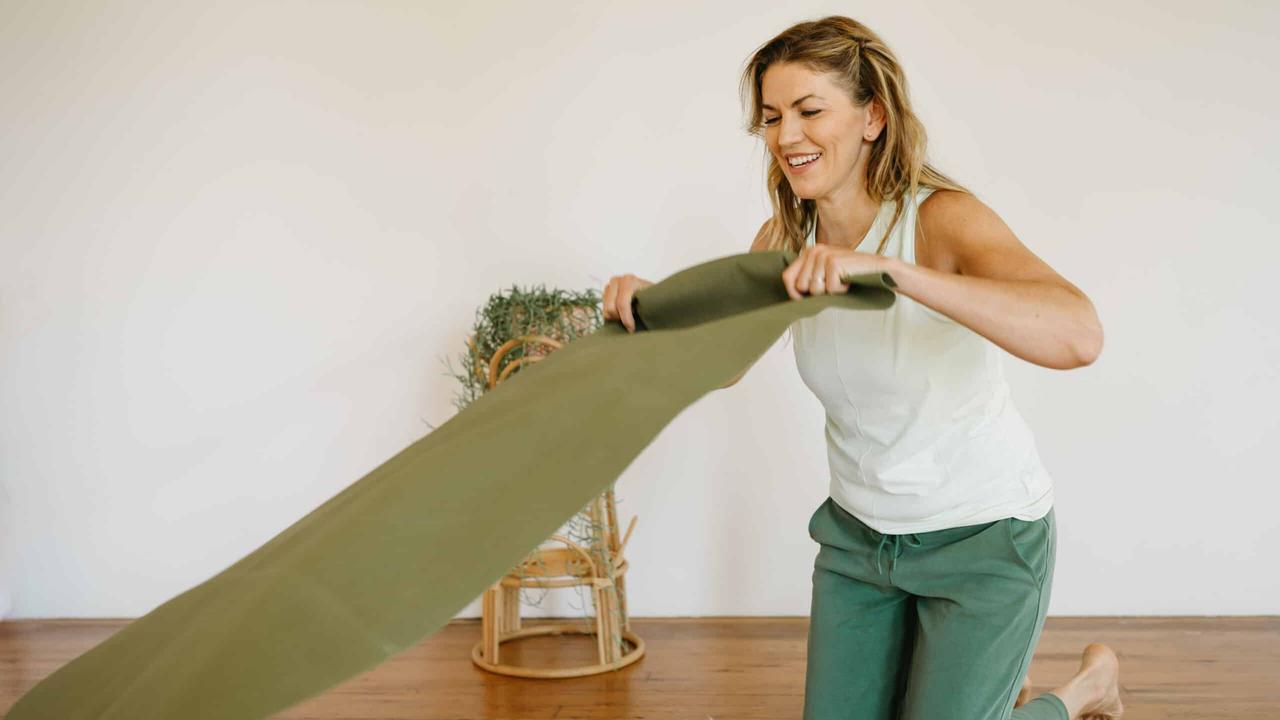
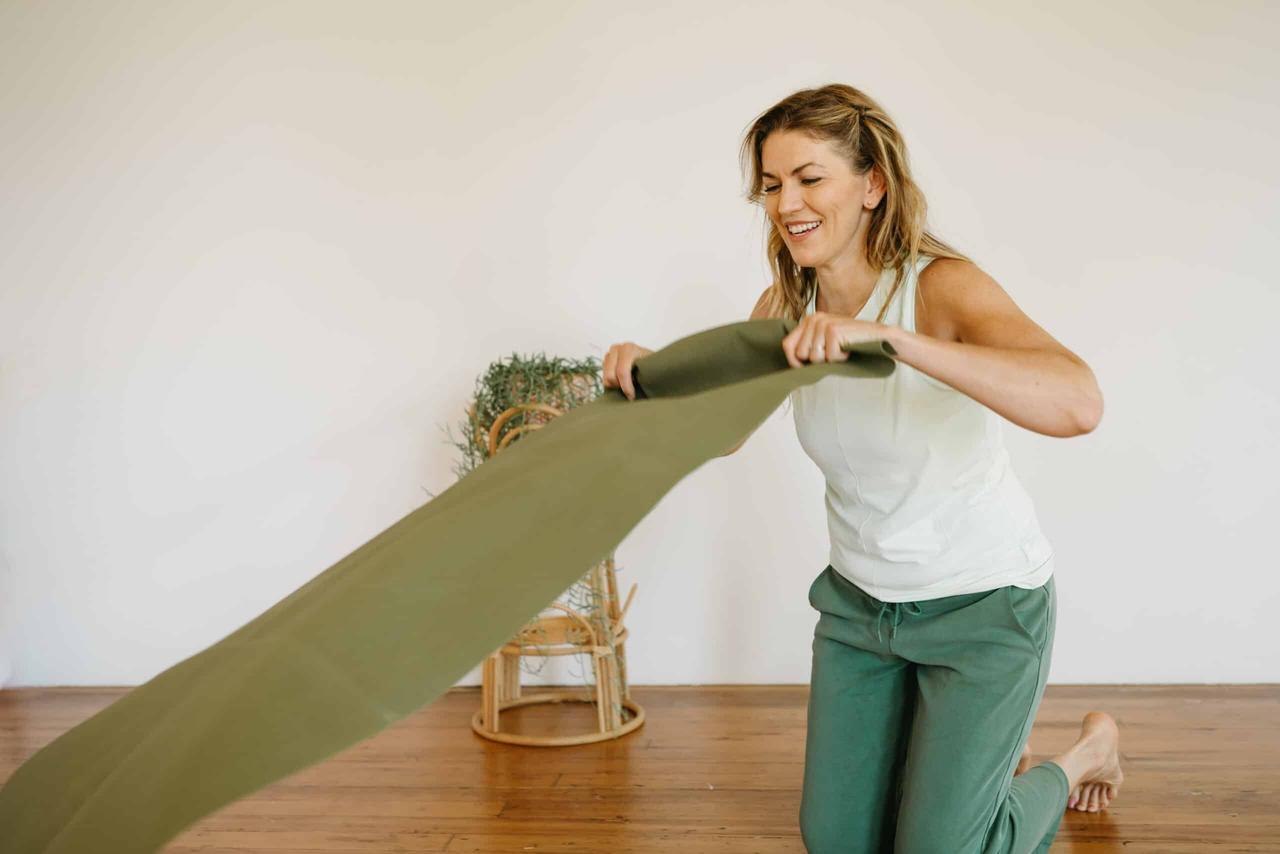
I work with a lot of people building routines around exercise and yoga, and it takes real creative strategizing and commitment. There's self-study involved — understanding yourself — and there's the practical mechanics of how you'll actually do the thing (the familiar loop of stimulus, action, and reward often comes into play here).
I'm working on a routine of my own: washing and prepping vegetables and fruit within the first 24 hours of bringing them home from the farm. It takes planning, mental effort, and time. (Those beets won't boil and chop themselves.) It takes work, but if I'm intentional about it, planning an hour or two for prep in advance, then it doesn't feel so much like work.
Here's a helpful way to picture it: if we were apprentice carpenters, it would take us time to learn which tool serves which task. An experienced carpenter reaches for the right tool automatically — a habit built over years. Routines are how we serve our apprenticeship. They're the intentional, minds-on practice that, with enough repetition, can eventually become an effortless habit.
Rituals: behavior with meaning
Rituals are different again. A ritual is a practice with genuine meaning and purpose behind it. It can turn into a sacred space.
Here's one of mine: I take longer walks on the weekends. I love an extended stretch of time out in nature — watching the subtle changes from season to season, feeling how much this calm, uplifting practice nourishes my mind, body, and spirit. When I have to skip it, my whole self feels like it's missing something vital, almost malnourished. These walks go far beyond "I'm exercising." They belong to a different category entirely: things that make me feel alive and connected to myself and this world.
Hand writing a thoughtful thank you note. Preparing a cup of tea and letting it steep for the recommended amount of time as you pause to smell the herbs and prepare your space to read or meditate. That's the heart of a ritual. It's not about efficiency. It's about meaning.
Why all three matter
Habits matter because they let us move through life without depleting our energy on every small decision. But it's also worth questioning certain habits, and using routines to build new, better ones in their place.
Routines matter because they're where real, intentional transformation happens. They're minds-on by design.
And rituals matter because they connect us to the present moment and to what actually matters to us. Mindfulness, at its core, is about connecting to the now — going deep into what you already have: yourself, and this moment. It's often in our rituals that we find ourselves simply being, connected to what's meaningful.
Rather than thinking of ourselves as machines building automations, let's think of ourselves as beautiful creatures capable of changing our behavior — and of seeing and experiencing meaning in it. We have the capacity to create meaning, not just repeat actions.
An example: breath awareness
Here's how these three can flow into one another, using something I teach often.
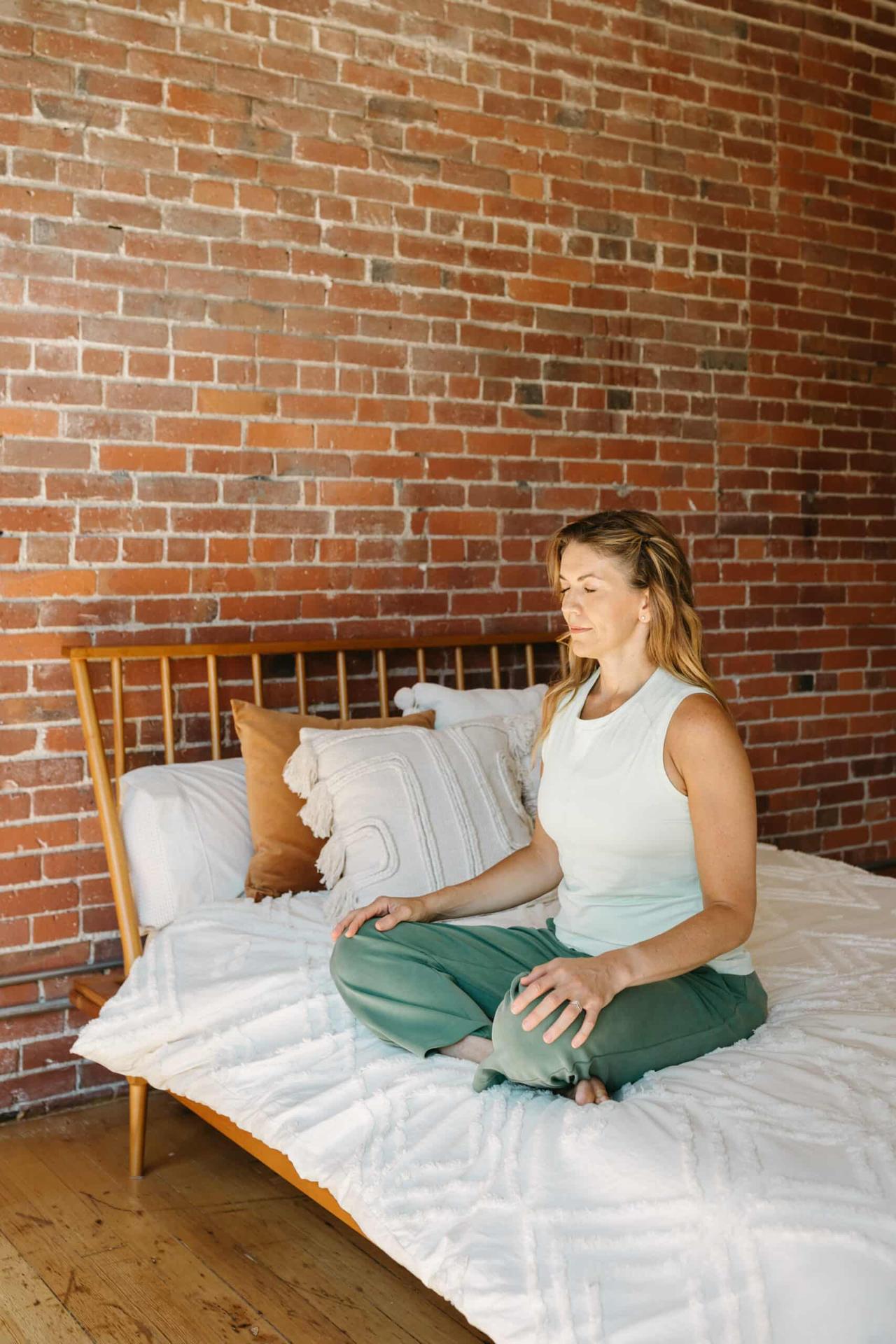
For someone just starting out, simply being aware of your own breath takes real effort. It's a routine — intentional, a little effortful done a few minutes daily, and it's something they have to remember to do.
With practice over time, and with guidance from skilled teachers, that awareness becomes more fluid and natural. Eventually it can arise on its own, at any moment of the day. It's becoming a habit.
And when that same person pauses to reflect on why they practice — when they feel the deep, profound effects of the breath in their own life and understand what it gives them — the practice takes on meaning. Steadily, it becomes a ritual.
Routine, habit, ritual. The same practice, deepening.
Your turn
A few questions worth sitting with:
What routines are you intentionally building right now that could one day become effortless habits?
What rituals do you have that make you feel alive and connected?
What strategies have actually worked for you in the past when building those hard-earned habits?
If you're working to build a movement or mindfulness routine that lasts — the kind that might one day become an effortless, meaningful part of your life — I'd love to help. I offer virtual 1:1 private therapeutic yoga and personal training. A worked example: breath awareness
Here's how these three can flow into one another, using something I teach often.
For someone just starting out, simply being aware of their own breath takes real effort. It's a routine — intentional, a little effortful, something they have to remember to do.
With practice over time, and with guidance from skilled teachers, that awareness becomes more fluid and natural. Eventually it can arise on its own, at any moment of the day. It's becoming a habit.
And when that same person pauses to reflect on why they practice — when they feel the deep, profound effects of the breath in their own life and understand what it gives them — the practice takes on meaning. Steadily, it becomes a ritual.
Routine, habit, ritual. The same practice, deepening.
Your turn
A few questions worth sitting with:
What routines are you intentionally building right now that could one day become effortless habits?
What rituals do you have that make you feel alive?
What strategies have actually worked for you in the past when building those hard-earned habits?
If you're working to build a movement or mindfulness routine that lasts — the kind that might one day become an effortless, meaningful part of your life — I'd love to help. I offer virtual 1:1 private therapeutic yoga and personal training. Reach out anytime.