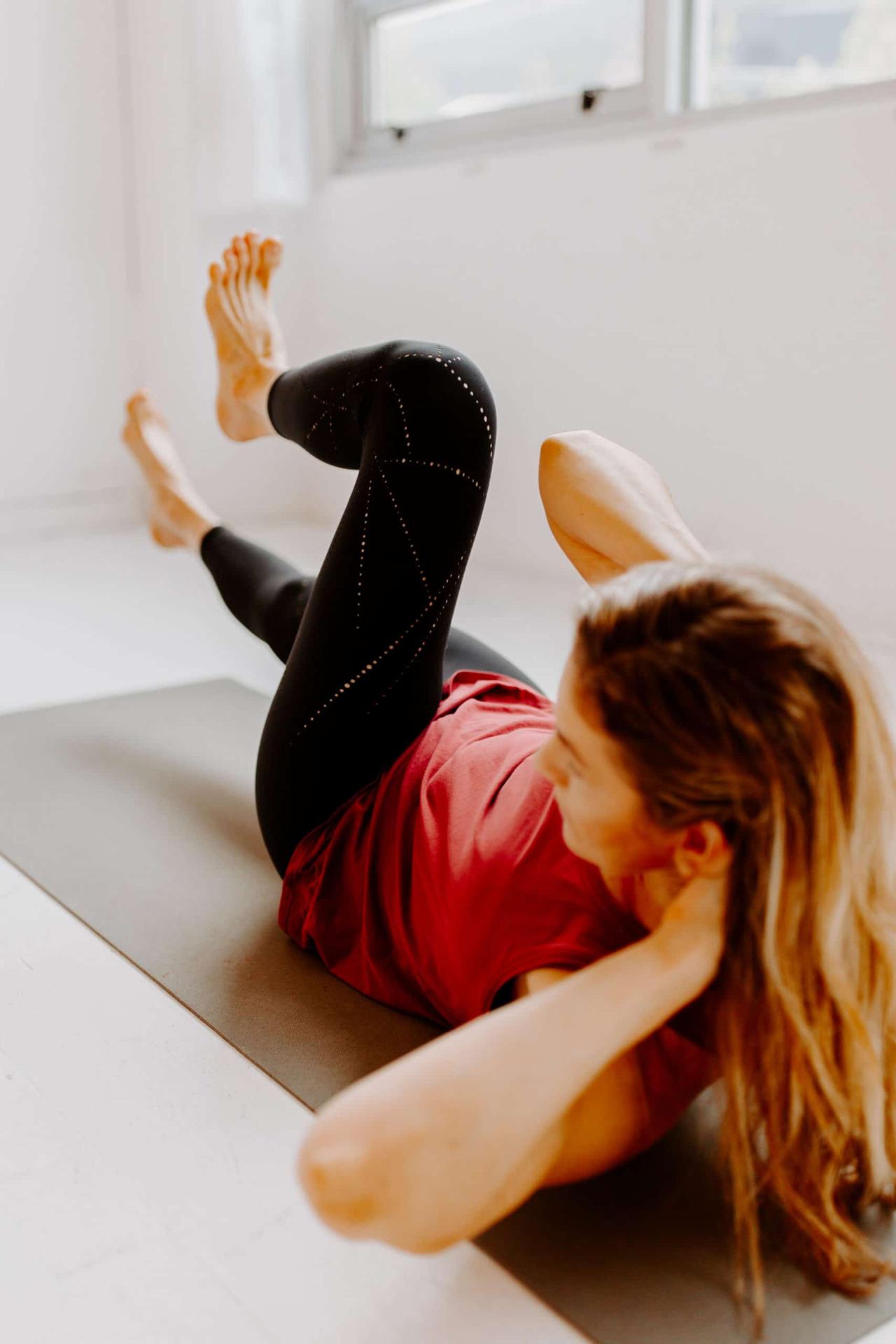
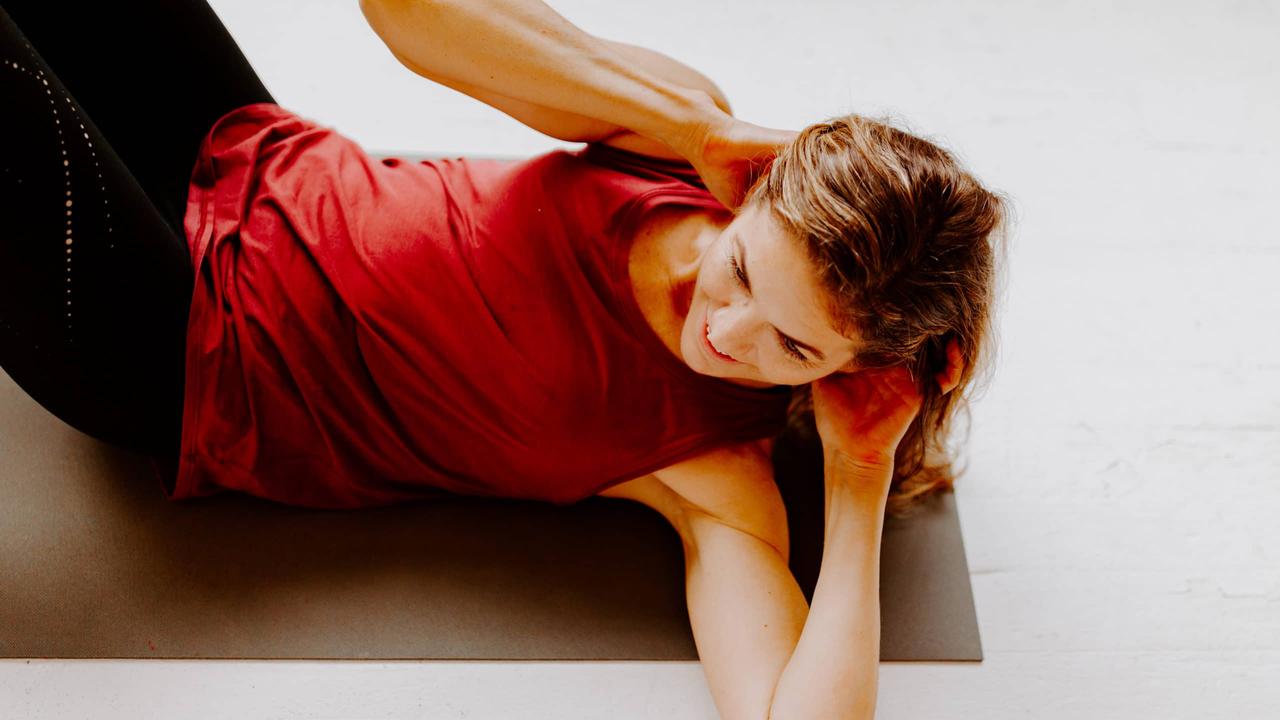
Here's Why You Don't Have to Stop Moving When You're Injured
How to keep exercising safely through injury — modifications, mindset, and the team that gets you back
Few things are more discouraging for an active person than an injury. Whether it's your back, shoulder, knee, or wrist, pain has a way of disrupting everything — daily activities, work, sleep, and the routines that keep you feeling like yourself.
But here's the good news, and it's something I see proven in my work all the time: injury rarely means stopping completely. With your provider's approval and the right approach, movement is usually part of the recovery — not a threat to it.
A note before anything else: if you're injured, talk to your doctor or physical therapist before beginning or returning to exercise. Everything below assumes you've been cleared to move.
Why keep moving at all?
Movement supports healing in ways that rest alone can't. Appropriate exercise increases blood flow and circulation, bringing oxygen and nutrients to healing tissues. It maintains the strength and mobility you'll need when you return to full activity. And — this part is underappreciated — it keeps sending your brain and nervous system the message that your body is capable and safe, which matters more to recovery than most people realize.
Complete rest, beyond what's medically necessary, often works against you. The goal isn't to push through pain. It's to find the movement that's available to you right now.
How to modify: work around, not through
Modification is a skill, and it's the heart of exercising with an injury. A few examples of what this looks like in practice:
Train the other side. In strength training, single-arm and single-leg movements are remarkably effective while the other limb heals. This isn't just about maintaining what you can — research on what's called cross-education shows that training one limb actually stimulates the muscles of the untrained, healing side too.
Take the load off the injured area entirely. If your wrists or shoulders need a break, yoga doesn't have to disappear — it adapts. I built a full "No-Hands" yoga class for exactly this situation.
Swap the activity, keep the quality. If running is out, cycling or swimming can preserve your conditioning while respecting the injury. The pattern matters less than the consistency.
Whatever you choose: start slowly, progress gradually as strength and confidence return, and move at your own pace. Never push to keep up with a class or group if doing so is painful. Pain is information, not a challenge.
The part nobody tells you: pain isn't only physical
Here's something I've come to understand much more deeply through my therapeutic training: pain levels aren't determined by tissue damage alone. Stress, low mood, worry, and poor sleep all measurably influence how much pain you experience. This doesn't mean the pain is "in your head" — it means pain is produced by a whole nervous system, and that system is affected by everything happening in your life.
This is actually empowering, because it gives you more levers to work with:
Be honest about how you're feeling. Recovery includes acknowledging frustration, doubt, and fear — not performing positivity over them. Checking in with your real feelings is part of the work.
Use your breath. Slow, deep breathing as you move helps regulate the nervous system, manage stress, and keep your movement calm rather than guarded.
Try visualization. Spending quiet time picturing yourself moving specifically and pain-free helps the brain repattern its relationship with movement. It won't erase the injury — but it can change the lens through which your system interprets exercise, and that shift is real.
Protect your sleep. Poor sleep amplifies pain. Treating rest as part of your rehab — not a luxury — pays off directly.
Build your team
The best recovery outcomes I've witnessed come from a multidisciplinary approach — people working together rather than in silos. Depending on your situation, that team might include your medical doctor, a physical therapist, a chiropractor or acupuncturist, and a movement professional with therapeutic training who can bridge the gap between clinical care and your return to full activity.
That bridge — between "cleared for exercise" and confidently back to your life — is exactly where I work.
Keep moving
Don't stay on the couch waiting to feel perfect. Move what you can, breathe as you go, modify intelligently, and let every session remind your body and brain that you're on your way back to your usual self.
If you'd like support, I offer 1:1 private therapeutic yoga and customized training programs designed around your injury history and your goals — virtually, wherever you are. Reach out anytime.