
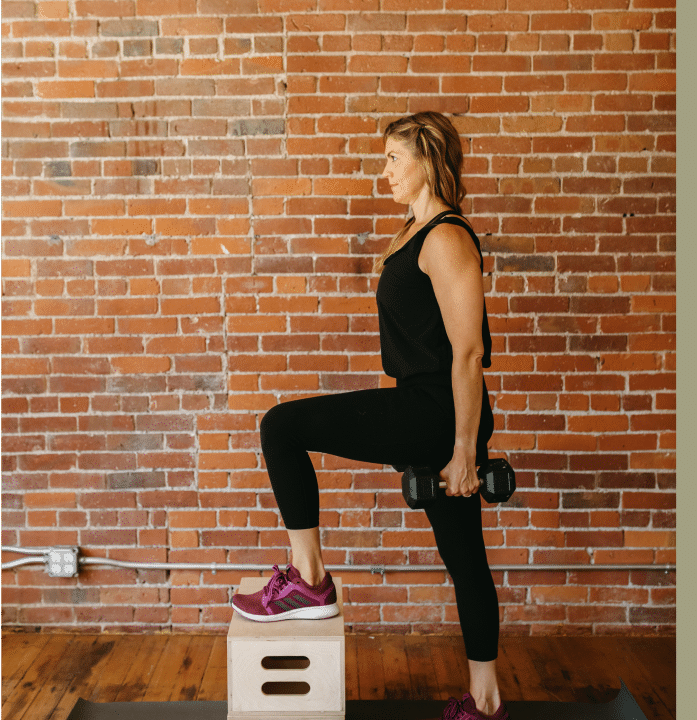
Resilient Strength & Exercise (for REAL Life)
How to keep moving — and stay kind to yourself — when life doesn't go as planned

Resilient Strength & Exercise (for REAL life)
Even when we plan and prepare, life can shift unexpectedly.
Sometimes it's an injury that disrupts your usual routine. Other times, it's a busy work season, caring for family, or simply feeling too tired to train the way you used to. When movement is a stress reliever or something you enjoy, these changes can feel discouraging or confusing.
But just because life shifts doesn't mean you have to stop moving. In fact, staying active in a way that fits your current season can support your body and mind while reducing stress.
You don't need to throw out your entire movement plan when life changes. Often, all that's needed is a gentle shift in how you approach it.
Here are five ways to stay consistent without overdoing it — or feeling guilty about missed sessions — when life changes:
1. Start with clear boundaries (and guidance when needed)
If you're returning after illness or injury, get medical clearance and ask about any movement restrictions. This helps you move safely and confidently.
If you're simply in a busier season, set realistic boundaries instead. That might mean shorter or less frequent sessions, and that's okay. Clarity helps you stay consistent without burning out.
2. Adapt your workouts to meet you where you're at
Instead of pushing through your usual routine, adjust to match your current energy and capacity. With strength training, that might look like reducing weight or volume, taking longer rests between sets, or choosing exercises that feel supportive rather than draining.
For example, you can swap heavy dumbbell work for bodyweight or band work. Or look at your week and decide honestly what's realistic — 30 minutes instead of an hour, two days instead of three — rather than doing nothing at all. Workouts that meet you where you are keep you active while respecting your limits. That's the key to resilient strength-building.
3. Focus on what you can do
If time is tight, a shorter session is still valuable. If you're exhausted, a mild, mobility-focused day can support you. If one part of your body is injured, you can train other areas. For example: a busy day might call for a 15-minute strength mini-session; a tired day might call for gentle yoga or breath-led movement to support recovery; a lower-body injury still leaves room for upper-body strength work or supine core exercises.
Resilient strength-building doesn't require perfection. It's about staying connected to movement, and to yourself, in a way that's possible right now.
4. Get creative — low-impact and fun movement options are great
If strength training feels too heavy this season, consider walking, yoga, swimming, or mobility work. These support circulation, mental health, and body awareness while letting you honor your energy.
Fun, low-impact movement can also refresh your whole relationship with exercise, easing the all-or-nothing mindset that leads to guilt and burnout.
5. Be your own best cheerleader and coach (and ask for help!)
Life's transitions — healing from injury, navigating exhaustion, caring for others — are not the time to expect yourself to train exactly as before. Progress may feel slower, but every small step forward is still progress.
If you miss a session, or several, it doesn't mean you've failed. If you need to adjust your plan, you're not behind. Movement is here to support your life, not the other way around.
Lean on your support system, friends, family and coaches (like me!). Let them help you celebrate small, consistent wins, and be kind to yourself as you move through this season. This is how you build resilient strength — physically, mentally, and emotionally.
You don't have to stop moving when life changes.
With the right mindset and well-informed adjustments, you can keep building strength that adapts with you — supporting your body, calming your mind, and keeping you connected to yourself no matter what season you're in.
Reach out anytime with questions about moving through injury, busy seasons, or exhaustion. I offer 1:1 private therapeutic yoga and strength sessions, with workshops and online programs throughout the year.