
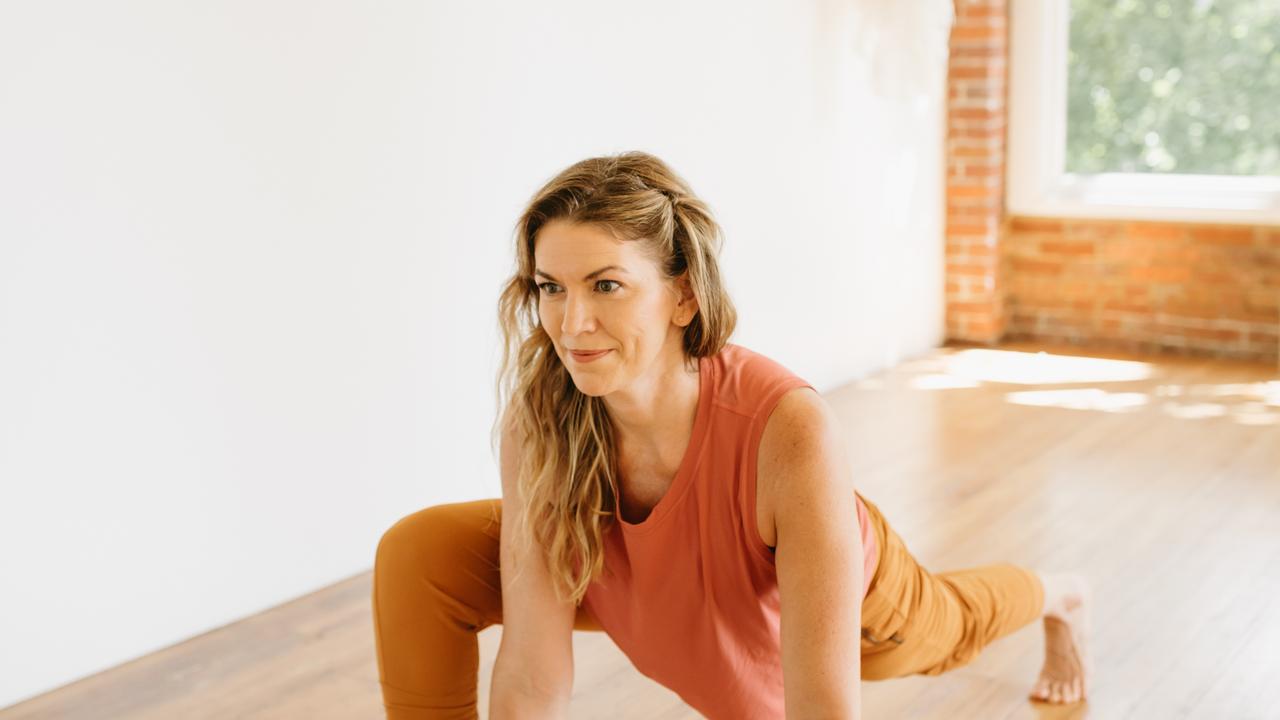
Active Recovery is Essential
Why Intentional Rest Is a Non-Negotiable
Why Intentional Rest Is a Non-Negotiable
Elite athletes, strength and conditioning coaches, and the research all agree: recovery is an essential practice. It's also likely the most underappreciated part of exercise.
Most people think strength only comes from lifting weights, or fitness from doing more volume. The truth? Your body gets stronger during recovery, not just during the workout itself.
The workout is the signal. During exercise, muscles, connective tissue, and the nervous system experience stress. It's in the rest and recovery period that repair, adaptation, and strength gains occur. Training asks the question. Recovery is where your body answers it.
What intentional recovery looks like
Rest days. No formal training happens. Tissues get time to repair and injury risk goes down. Active recovery is fine here.
Sleep. The most powerful recovery tool. It supports muscle repair, hormone balance, and a nervous system reset.
Nutrition and hydration. A balanced diet full of good nutrition, and fluids to rebuild energy and tissues.
Mobility and fascia release. Gentle movement or myofascial release techniques to improve circulation and ease stiffness.
Active recovery. Low-intensity activity like walking, yoga, or easy cycling that promotes blood flow without added stress.
Why this matters
Without recovery, strength training turns into only breaking down the body instead of building it up. Treating recovery as part of your exercise protects your joints, prevents overuse injuries, and creates the conditions for strength and fitness to grow.
Try this: a 3-minute mini recovery reset
Leg sways. Lay on your back, feet on the floor, knees bent, and slowly, rhythmically sway your legs. Loosens the back and releases tension. Go for 1 minute.
Figure-4 stretch. Lay on your back, feet on the floor, knees bent, and cross one ankle over the opposite thigh in a number 4 shape. Stretchs the hips and glutes. Go for 30 seconds each leg.
Twist. Lay on your back, hug your knees in toward your chest and then lower your legs over to one side, all the way down. Relax your neck and shoulders and focus on breathing and feel your body unwind. Restorative twists loosen tension around the lower back, and calm the nervous system. 30 seconds each side.
Recovery practices can be woven into everyday life to restore your body and mind, supporting your strength from the inside out.