
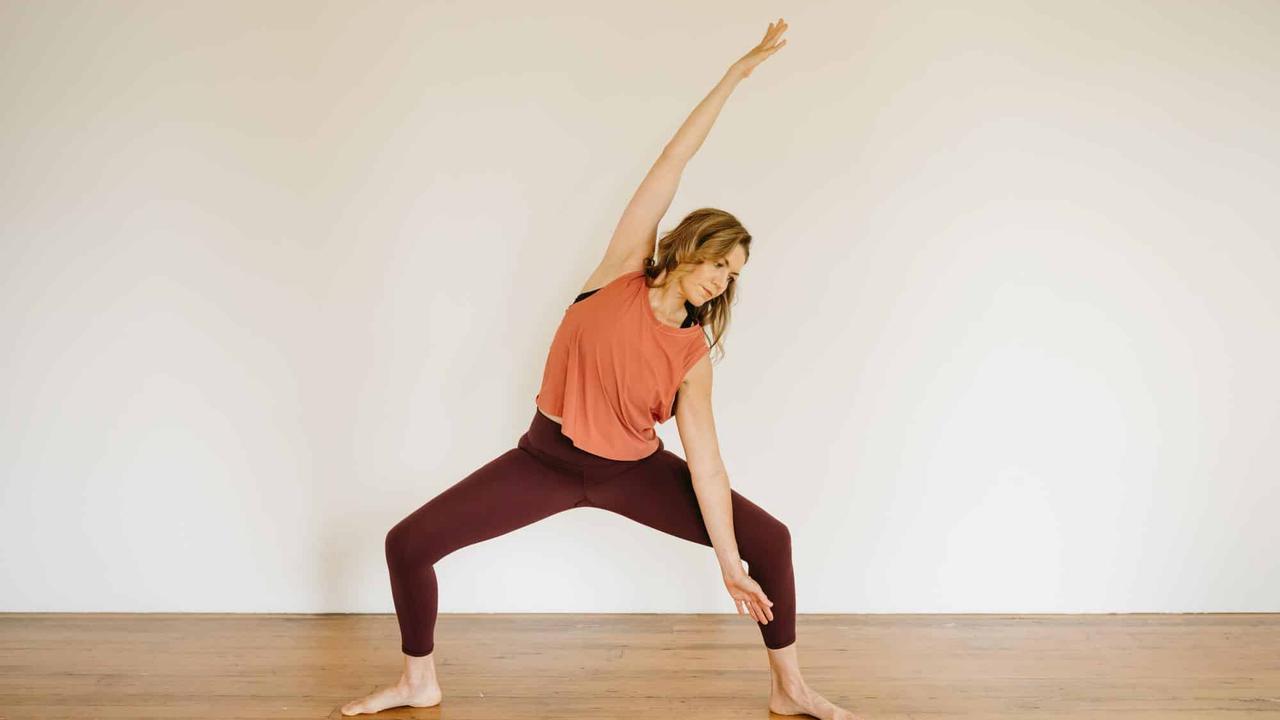
The Art and Science of Balance
Why wobbling, experimenting, and falling well are all part of the practice
Balance isn't a destination you arrive at and stay. It's something you feel your way toward — physically, mentally, emotionally, spiritually — through honest experimentation and a willingness to keep trying even when the attempt looks nothing like you imagined.
The good news is that you already have the capacity for it. Knowing that — really believing it — is where the magic starts.
The artist and the scientist
Think of finding balance the way an artist approaches a canvas. You try a color. You step back. You try another. There's no single right answer, just an ongoing honest attempt to find what works — what feels true, what holds, what doesn't. The artist doesn't judge the first attempt as failure. It's just information.
The scientist works the same way. You form a hypothesis, run the experiment, and let the results speak for themselves — without forcing them to confirm what you already believed. Suspending judgment long enough to actually see what's happening is its own kind of discipline.
Finding balance asks you to be both. Creative enough to experiment, rigorous enough to pay attention to what the experiments reveal.
The questions worth sitting with
Good experiments start with good questions. Here are a few worth asking yourself — notice how they move across every dimension of balance, from the physical to the deeply personal:
What makes me feel alive? How did it feel when that last attempt didn't work? What happens if I shift my bodyweight a little more toward midline? What would happen if I went to bed earlier? What if I apologized? What if I were unapologetic? What would happen if I truly noticed this person instead of avoiding eye contact? What if I finally finished that uncomfortable project that holds some deep truth for me?
These aren't questions to answer once and move on from. They're invitations to stay curious — to let the pursuit of balance sustain you over time, rather than waiting for arrival to feel satisfied.
Fail wonderfully
Here's something I find both humbling and genuinely funny: it takes a lot of imbalance to find balance. This is research based almost entirely on personal experience.
When you look around and notice the wake of chaos you're currently leaving — the unevenness, the restlessness, maybe some unfinished conversations or a suspicious lack of leafy greens — that's actually a fine place to start. Recognizing and feeling unbalanced is honest. And you can only grow from an honest starting point.
In yoga, the moments just before you fall out of a balance pose are often the most instructive. Your breath gets shallow, your focus scatters, something tightens that shouldn't.
The cues are all there if you're paying attention:
Keep the breath calm and steady — it grounds the mind and the body together. Don't be afraid to fall, and when you do, have a little fun with it. Stay curious about what you're attempting, whether it's tree pose or a difficult conversation. Smile, even if only on the inside, toward your own effort.
Staying present with yourself — through the wobble, through the recovery, through the trying again — is its own small breath of fresh air.
That's the practice. Not perfect balance. Just honest, continuing experiment.