
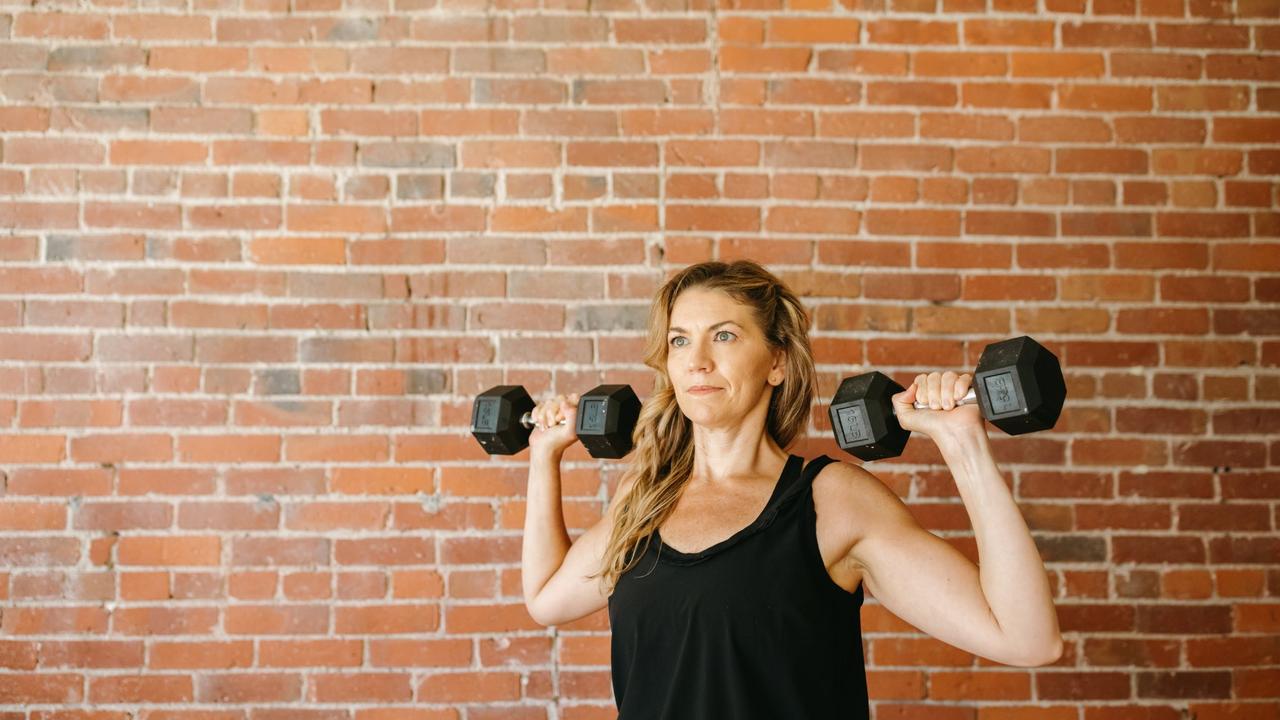
Learning to strength train in a way that holds up in real life
I’d love to help you build strength and recovery practices that adapt to what your body and schedule need each day
Current dates and registration are on the Foundations page.
A lot of my clients and students some to me because their body has changed, or their circumstances have. And they say: "What I'm doing now, or not doing, isn’t working."
Maybe a doctor told you it’s time to start strength training, and you’re not sure where to begin. Maybe your energy depends on how you slept, or how busy your schedule is, and every plan assumes you’re at full capacity. Or you've been exercising for years, but the same routein doesn't feel right any long.
So, like my clients, you guess. You push too hard or hold back too much, and you wonder if any of it is helping.
I built Sage Movement Foundations for people who want to have mindful and supportive strength, but they are in transition.
My current program is a six-week small group in strength, yoga, and recovery, with training that adjusts on the days you need it. Here is what I find matters most:
Strength means progressing with purpose
The skill is knowing when to challenge yourself and when to do less. You learn how to choose appropriate loads, move with control and coordination, and progress gradually in a way that supports you and your life. Yes there is progress but it's about supporting yourself during the process.
Recovery is part of the training
Recovery is a must for anyone who strength trains. Simple breathing practices, yoga techniques, mobility work, and self-myofascial release all give your tissues time to repair and your nervous system time to reset. Even if you aren’t a “yoga person,” research links regular slow flow, breath-based practices to better balance, better sleep, and lower stress.
Awareness refines how you move
Taking time to pay attention changes how you move. Awareness means learning to notice effort, breath, and coordination, along with what’s happening in your body and in your life. When you're in transition, you must slow down and notice. So rather than "follow the leader" approach of jumping online, having 10 browsers open for different exercises, or just pushing through pain during a fitness class, you find a way to pause and consider what would make the most sense for your body today. Movement intelligence is the skill of responding to that information with clarity and confidence. It’s what makes strength and recovery practices work.
The goal is autonomy
Say you slept badly, or your knee is talking to you (ouch), or the week got away from you. Instead of skipping the session or pushing through it, you learn how to drop the load, slow the pace, or swap in an active recovery session, and you know why that’s the right call. And when the energy is there, you find a good challenge. The goal is confidence and adaptability.
A plan and accountability in a small group
For most people, the structure and accountability is what makes consistency in exercise possible. My Foundations programming is designed so you can put your attention on learning how to move better, rather than on deciding what to do, and having the freedom to ask questions and have conversations about your own body's way to exercise.
My program week has a defined rhythm: a live class, two to three strength sessions of about 30 minutes, and one active recovery session. You also get personal feedback. Record about 20 seconds of yourself doing an exercise, and I reply with direct feedback. It’s individual attention inside a small group.
Strength training is for everyone and it's important to individualize your approach to it
Start where you are. Set a goal or several of them. Adapt and adjust.
The Foundations program is built for what generic plans don’t account for. Supporting your "adapt and adjust."
So whether you are:
starting strength training because your doctor recommended it,
coming out of physical therapy, or recovering from surgery or illness, cleared to move but not yet confident,
in a life transition: pregnancy, postpartum, perimenopause, caregiving, a demanding stretch at work, retirement;
in a rut with exercise; or
a yoga student that needs strength,
We all start where we are, settle into a consistent, moderate pace, and pay attention to your body and your technique. You know why you’re doing what you’re doing. If you want high intensity 14 days followed by a "crash" of doing nothing for 14 weeks, or just want to run on autopilot (but your body and schedule disagrees), Foundations can offer that thoughtful approach you've been looking for.
About me
I’m Michelle Spore, a Yoga Medicine® Therapeutic Specialist and NASM Certified Personal Trainer. From 2018 to 2024, my practice operated inside a Redmond physical therapy clinic, where I took post-discharge referrals from physical therapists and, at times, coordinated directly with patients’ physicians. That’s where I learned to work with people whose health history shapes how they train, and it’s the experience I bring to this program.
Foundations is a general fitness and movement program. [It is not medical care or physical therapy. If you’re under a provider’s care, get their clearance before you start.]
When it’s offered
I’m offering Foundations periodically. Current dates, pricing, and registration are on the Foundations page. If you’re not sure this is the right time, write to me at michelle@sagemovement.co first. I’d rather tell you to wait than have you start something that doesn’t fit.
Michelle