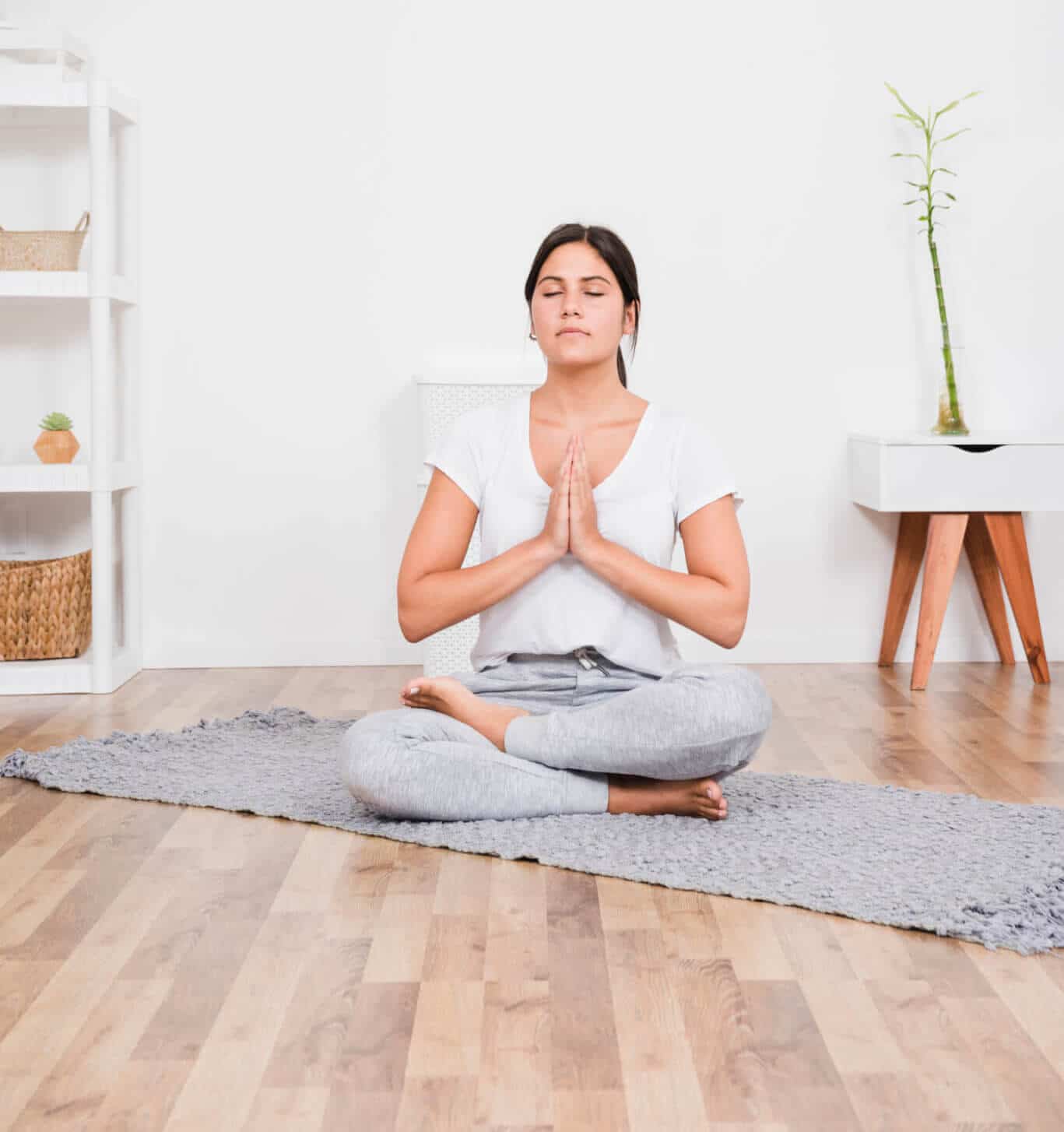
How to Build a Yoga Practice That Sticks
A simple, sustainable approach to practicing on your own — no studio required
The most valuable yoga practice isn't the most impressive one. It's the one you actually do.
That might mean five to ten minutes on a Tuesday morning before the day takes over. It might mean a quiet half hour on the weekend with your phone in the other room. Whatever it looks like, a simple and consistent practice — built on the basics of breath, alignment, and present-moment awareness — will serve you far more than an ambitious one that happens sporadically and leaves you feeling like you're always starting over.
Here's how to build something that lasts.
Start smaller than you think you should
One session a week, ten minutes at a time. That's a great starting point. Begin there, and only expand when it feels right, not because you think you should be further along by now. Yoga isn't a collection of poses to acquire or a skill to nail. It's an ongoing exploration of what your body and mind are capable of, right now, on this particular day.
Curiosity is a better guide than ambition. Have fun with it. Follow your breath and your body before you follow any external standard of what a practice is supposed to look like.
Treat the time as non-negotiable
Block it on your calendar the way you would any appointment that matters. Remove distractions before you begin — have your props ready, set a timer if you're short on time so you're not watching the clock, and give yourself full permission to be present for the duration.
Respecting the time you've set aside for yourself is its own form of practice. Showing up consistently, even briefly, builds something that sporadic longer sessions don't.
Return to the basics
A well-rounded home practice doesn't need to be complicated. The foundational categories of yoga poses — standing poses, seated poses, backbends, twists, inversions, and lying on your back — give you more than enough to work with. Moving through a simple sequence drawn from these categories, with genuine attention to breath and alignment, is a complete practice.
Save the glory poses for when they arise naturally. Less is more when quality of attention is the goal.
Bookend your practice with stillness
Take at least a minute of quiet before you begin and after you finish. Sit or lie still. Let the transition between practice and the rest of your life be intentional rather than abrupt. This small habit makes a surprisingly large difference in how the practice actually moves off the mat and into life.
Find an anchor
When your mind wanders — and it will — have something to return to. The sound of your breath. The sensation of your feet on the floor. The feeling of your ribcage expanding on an inhale. An anchor point keeps you present without requiring perfection. It's not about emptying the mind. It's about having a home base to come back to.
Keep learning
The yoga world is vast and interesting. Seek out books, podcasts, and teachers whose thinking challenges and inspires you — not just on poses and alignment, but on the philosophy behind the practice. Understanding the why behind what you're doing on the mat deepens everything, and keeps you curious long after the novelty wears off.
The goal isn't a perfect practice. It's a practice that's honest, consistent, and yours. Start there, and let it grow from the ground up.