
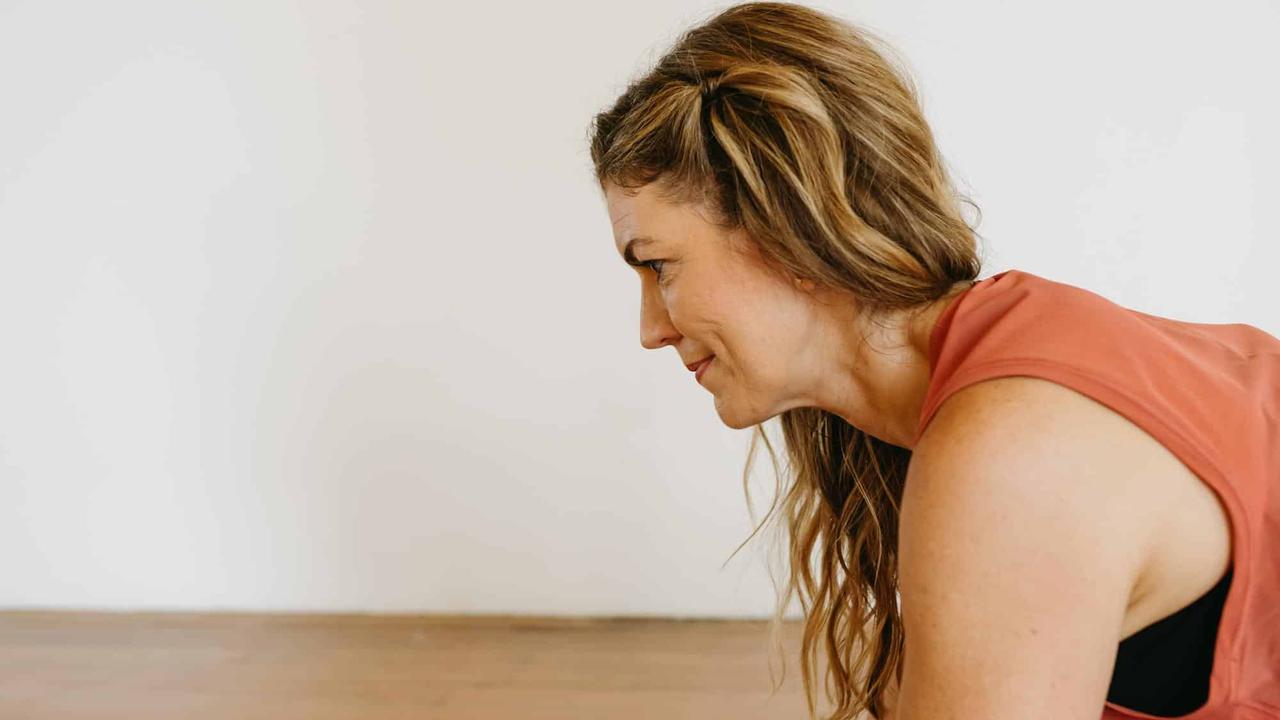
Your Yoga Practice Belongs to You
How self-awareness transforms the fundamentals of yoga into something genuinely your own
There's a version of yoga that's about getting the pose right — hitting the shape, matching the picture, achieving the form. And yes, understanding alignment matters. Knowing the basics keeps you safe and makes the practice effective.
But there's something equally important that doesn't get talked about as often: knowing where you are today.
The container and what you bring to it
Every yoga pose has a container — a set of principles that make it safe and purposeful. Learning those boundaries is useful. But what you bring into that container is entirely your own. Your proportions, your history, your energy on any given day — these shape the pose as much as the pose shapes you.
Before you step on the mat, it's worth asking: how am I actually feeling right now? Tired or energized? Carrying something emotionally? Coming back from an injury or a long break? Do you tend to push too hard, or hold back more than you need to?
None of these are obstacles to practice. They're the practice. Being honest about where you are — physically, energetically, mentally — is one of the most sophisticated things you can do as a yoga student. It's also one of the most useful habits you can build, because it follows you off the mat and into the rest of your life.
Three questions worth sitting with
Whether you're beginning yoga for the first time or returning to it after a gap, these reflections can help you bring more awareness to every session:
Why are you beginning or renewing your yoga practice right now? Getting honest about your motivation — whatever it is — gives your practice direction and meaning.
What's one thing you've learned that helps you build a safe and effective shape? Even one principle, genuinely understood and applied, is more valuable than a dozen techniques half-remembered.
What's one thing you've noticed about yourself today — physically, energetically, or mentally — that should inform how you practice? This could be your energy level, a tight spot in your body, a tendency to overdo it, or simply the mood you walked in with. Notice it. Let it guide you.
Your shapes become your own as you fill them in — with your mind, your body, your breath, and your honest attention. Show up as you are. The practice meets you there.