
Finding Your Flow
What flow actually is, what blocks it, and how to find your way back
Finding Your Flow
There's a version of yourself you've probably met before — fully absorbed in what you're doing, energized rather than drained, time moving differently. Psychologists call it a flow state: complete immersion in an activity, with focus and enjoyment working together. Most of us know exactly what it feels like. The harder question is why it comes and goes.
What flow actually is
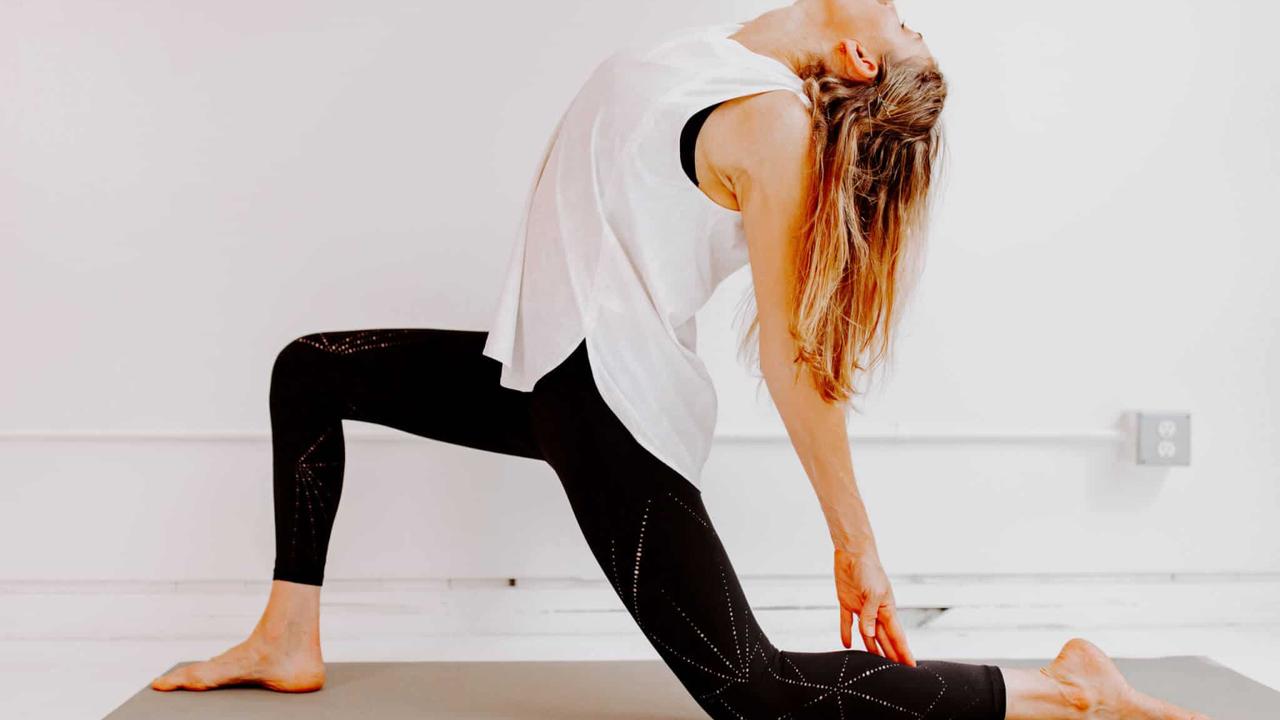
Flow isn't always dramatic. It can show up in a long conversation that stretches into the early hours, a run where your mind finally goes quiet, a piece of work where thinking and doing find the right rhythm. In yoga, it's the feeling of postures linking together with real attention behind them. In creative work, it's when the internal critic steps back long enough to let something through.
What these moments share is a kind of presence — being genuinely at home in what you're doing, right now.
What stops it
Think of a river. A river's flow weakens when it hits a drought, a freeze, or a barrier it can't move through. Our own flow stalls in similar ways — through exhaustion, self-doubt, distraction, fear of judgment, or the habit of imagining the worst before anything has happened.
The limitations that come from inside us — our perceptions, our emotions, the stories we tell about ourselves — can render flow stagnant or frozen. It doesn't feel good. We become like a muddy, stuck river, going nowhere.
But some blockages come from the outside. Circumstances we didn't choose, obstacles that genuinely alter our path.
And here the river has something to teach us: when rivers hit an immovable barrier, they don't stop. They divert. They find a new direction, and the momentum continues.
We can do the same. Not by running away, or pushing feelings down, or forcing our way through — but by honestly finding a new path forward. That might look like leaning on people who know you well, working with a therapist, returning to a practice that opens you up, or simply giving yourself permission to move differently for a while.
Recovering flow when it's gone
If you're feeling out of flow and the source is internal, try this: recall one specific moment when you were fully in it. Recent or years ago — it doesn't matter. Make it vivid. What were you doing? How did your body feel? What was your relationship to yourself and the world in that moment? What did it look, sound, even smell like?
That memory isn't just nostalgia. It's evidence. You've been there before, which means you can find your way back.
Consistent movement helps — yoga, walking, anything that returns you to your body and the present moment. Think of it as dipping a toe back into the river.